



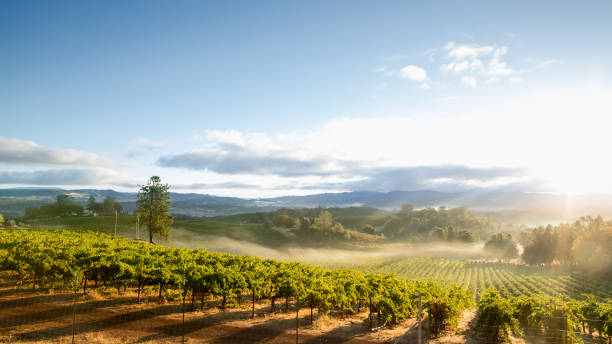
California’s wine region is scattered with scenic vineyards and almond orchards. The industry is responsible for 80% of wine production in the U.S. and is the fourth-largest wine producer globally.
This article was written by Dale Weinbaum and originally published by California Business Journal.
The last several years haven’t been as kind to Napa Valley and Sonoma wine growers. Wine Spectator reports that the industry, still reeling from the pandemic and declining consumer spending, has brought it to its knees.
In July last year, Vintage Wine Estates, one of the state’s biggest wine companies, filed for Chapter 11 bankruptcy and was delisted from the stock market. The filing sparked anxious concern in the sector, causing many to ask, “Are we next?”
Coupled with surplus grape harvests and a volatile global market, California wineries had little option but to think beyond traditional sales tactics. From exploring wine tourism tech to DTC models and wine-as-a-service platforms, diversifying is the name of the game.
Below, we’ll look at the latest innovations and how wine producers tap into them.
Capitalizing on eCommerce and Digital Marketing
Online wine sales appeared virtually unscathed by COVID-19. Statista says that more than 29 million people in the U.S. were wine eCommerce users in 2024.
The impressive stats were more than enough motivation for wineries to extend their offerings online. And it wasn’t only wines; companies sold their customers branded products, from wine glasses to aprons.
Transitioning to include an online store requires a stealthy mindset and a solid marketing strategy. However, it doesn’t mean it can’t be done.
Start with a user-friendly website to sell your products online, engaging social media content, and targeted email campaigns to reach broader audiences. Partner with a trusted payment platform that accepts payments, handles global payments and global taxes, and can reach your global customers with ease.
PayPro Global suggests investing in a payment gateway that offers an all-in-one solution and varied payment options to avoid costly scaling mistakes.
Embracing Direct-to-Consumer (DTC) Models
Wine producers have found that cutting out the middleman is a huge cost saver.
The DTC approach has proven popular among California wineries, allowing them to build direct relationships with consumers and retain higher profit margins.
Silicon Valley Bank notes that the model has yielded considerable advantages, including increased return visits to wine country.
You can offer personalized experiences, from virtual tastings to subscription-based wine clubs. And, the framework enhances customer engagement and constitutes significant data insights to tailor offerings.
On-Site Experiences
California wineries are transforming their tasting rooms into immersive destinations.
For instance, Hanzell Vineyards in Sonoma County increased its tasting fee to $90 for in-depth tours that showcase its historic winery and organic farming practices.
The shift caters to a younger demographic seeking meaningful connections and educational experiences.
Beyond wine, many California wineries are expanding their portfolios to include events, merchandise, and wellness services.
Hosting weddings, corporate retreats, and themed festivals opens new revenue streams. Additionally, spa treatments utilizing grape byproducts illustrate your winery’s potential as a wellness retreat.
More Than a Tasting Room
Gen-Z wine drinkers are a far cry from traditional wine lovers. They eschew the snootiness associated with an excellent bottle of Merlot or “letting the wine breathe.”
Still, they are a tough crowd when convincing them to buy your product. This consumer base wants to be enthralled and entertained.
Tasting rooms aren’t new, but how wineries use them certainly is. WineBusiness.com reports that wineries are increasingly reimagining their properties as destinations.
Today’s tasting rooms offer:
- Vineyard tours guided by winemakers
- Wine and food pairing classes
- Live music events
- Art shows or photography exhibits
- Exclusive barrel tastings and cellar tours
Sustainability as a Selling Point
Eco-conscious practices are no longer optional. Modern consumers expect them.
A study published by Sage Journals shows that sustainable wine tourism significantly enhances customer loyalty and brand image.
California wineries are responding with:
- Organic and biodynamic farming
- Solar-powered production facilities
- Composting and waste reduction initiatives
Building Brands
Why stop at wine? California wineries are future-proofing their lifestyle brands with custom apparel, glassware, artisanal foods, and home decor.
Some are exploring grape-based cosmetics, using resveratrol and grape seed oil as ingredients in moisturizers, soaps, and exfoliants.
Grapevine Magazine points out that the goal isn’t to sell more, it’s to extend the brand into daily life.
California wineries are proving that resiliency surpasses fermentation. They’re building multifaceted businesses by expanding into events, merchandise, eCommerce solutions, multiple online channels, and sustainable practices.
Keep your customers happy; you want them to return repeatedly.