
NASA and the European Space Agency plan to bring samples back from Mars. Could they harbor a type of life that scientists warn could trigger mass extinctions on Earth?
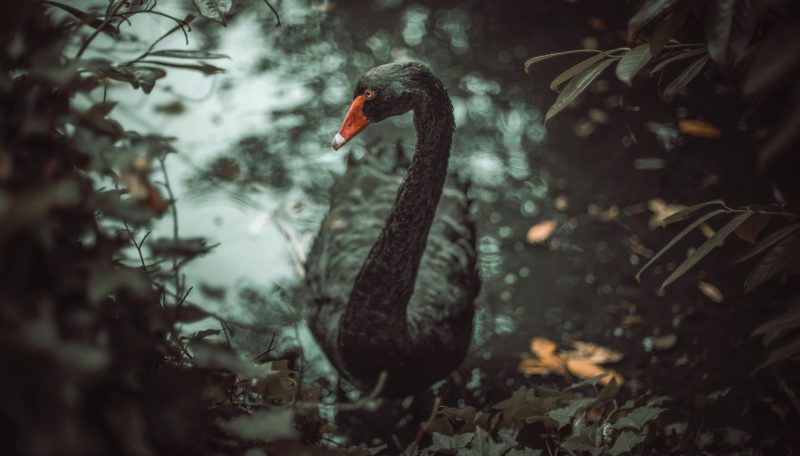
Black swans entered the public vernacular in 2007 with the publication of Nassim Nicholas Taleb’s The Black Swan: The Impact of the Highly Improbable. Black swans are unexpected events, outliers beyond the realm of normal expectation that have extreme impacts. And yet, these are rationalized after the fact as having been predictable. Taleb argues that history is composed largely of black swans—events that change the economic and moral course of the world. Examples easily come to mind: the European discovery of the Americas, the United States war of independence, the abolition of slavery, the use of the atomic bomb, the fall of the Berlin Wall and breakup of the Soviet Union, the terrorist attack on the twin towers of the World Trade Center, the COVID-19 pandemic, and so on.
This article was written by Bill Taber and originally published by The Bulletin Of The Atomic Scientists.
Click here to read the rest of the article.


