


For most of us, utility companies are simply part of everyday life. We pay the electric bill, the gas bill, the water bill, maybe trash service and internet, and move on.
But did you know that behind those monthly statements is one of the most profitable industries in the country?
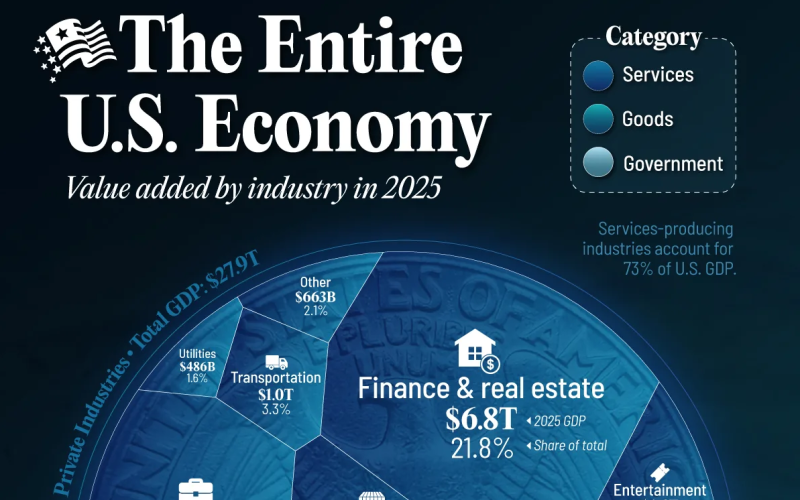
Investor-owned utility companies in the United States made a combined $186 billion in net income between 2021 and 2024. These are private corporations that provide essential services like electricity, natural gas, and water while also generating profits for shareholders.
Some of the biggest names in the industry include NextEra Energy, Duke Energy, and Southern Company. In one recent 12-month period alone, NextEra Energy reported more than $8 billion in profit.
What surprises many residential customers is how utility companies actually make their money.
A clothing store must convince customers to buy more shirts. A restaurant depends on filling tables. But utilities earn money through infrastructure. Regulators allow many companies to receive a guaranteed return on projects such as power lines, substations, pipelines, and energy plants. That return usually averages around 9% to 10%.
This means that when utility companies invest in large infrastructure projects, they are also creating opportunities for future profit. Those costs are eventually added into customer bills over time.
On average, investor-owned utilities keep about 13 to 15 cents of every dollar they collect as profit, and those margins have increased in recent years.
For families already struggling with inflation, rent, groceries, and rising housing costs, those numbers can feel frustrating. Many customers wonder why utility bills continue climbing while corporations report billions in earnings.
Utility companies argue that modernizing aging systems is expensive. Wildfire prevention projects, renewable energy upgrades, underground power lines, and grid improvements all cost enormous amounts of money. Regulators often approve these projects because they are considered necessary for public safety and long-term reliability.
Still, critics say the system rewards spending because utilities earn more profit when they build more infrastructure.
And electricity is not the only service operating this way. Natural gas companies also generate significant revenue through pipeline systems and storage facilities. Water has become another major business as private companies continue expanding into services once mostly handled by local governments.
American Water Works is currently the largest publicly traded water utility company in the United States.
Some corporations now operate multiple services at once, managing electric, gas, and water systems under one company.
Meanwhile, publicly owned utilities operate differently. Municipal utility systems are generally managed by local governments instead of shareholders, often reinvesting revenue back into the community.
But the utility industry is now facing something much bigger than public criticism over high bills.
Global conflicts, cybersecurity threats, and growing energy demand are creating new pressure on an industry already operating on aging infrastructure.
Right now, the utility industry is in a strange position: financially strong, but increasingly vulnerable.
Electricity demand is growing rapidly due to technological expansion, population growth, and, especially, artificial intelligence. Massive AI data centers consume enormous amounts of electricity, and experts say energy demand is now rising at levels not seen in decades.
At the same time, wars and geopolitical tensions are exposing how fragile global energy systems really are.
Conflicts involving Russia, Ukraine, Iran, and instability in the Middle East are affecting oil production, fuel transportation, and refinery operations around the world. One major concern is the Strait of Hormuz, one of the world’s most important oil shipping routes. A large percentage of the global oil supply passes through that region, so any disruption there can impact energy prices everywhere.
For local residential customers in the United States, that can eventually translate into higher utility bills, rising fuel costs, and more expensive infrastructure projects.
Also, energy infrastructure has become one of the top targets for cyber warfare. Experts warn that utility systems, water systems, pipelines, and electric grids are increasingly vulnerable to attacks from foreign governments and organized hacker groups.
The concern is serious because utilities control essential services. If power grids fail, the impact spreads quickly. Hospitals, communication systems, transportation networks, internet access, water treatment plants, and even banking systems can all be affected.
Part of the problem is that much of America’s infrastructure is old. Some pipelines are more than 50 years old, and many systems were never designed for modern digital threats. At the same time, utilities are rapidly connecting more operations online through “smart grid” technology, creating more entry points for hackers.
As a result, utility companies are spending massive amounts of money on cybersecurity, grid protection, backup systems, and infrastructure hardening.
Ironically, many of those costs can also become profitable investments.
Because utilities earn money through approved infrastructure spending, many cybersecurity and modernization projects can eventually be added into the “rate base” that customers help pay for through monthly bills.
So, while the industry faces major risks, it is not shrinking. In many ways, it is expanding.
Investors still view utilities as relatively stable businesses because people will always need electricity, water, gas, and internet access. These are not luxury services. They are necessities tied directly to public health, safety, communication, and daily life.
Customers are not just paying for electricity or water. They are paying for systems that keep entire communities functioning during a time of rising global instability.
The debate now is whether the balance between public need and corporate profit has gone too far.