
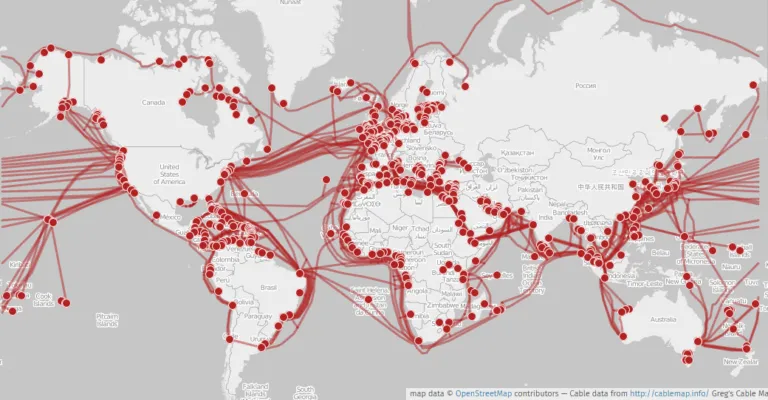
In the midst of US-Soviet tensions over Berlin in early 1959, five transatlantic submarine cables suddenly stopped working. Alarm bells rang in Washington since these undersea information networks carried NATO’s most sensitive intelligence and defense messages across the Atlantic. The United States and its allies initially suspected that the Kremlin might have purposefully cut the cables because a Soviet trawler was in the vicinity, but evidence was lacking. Nevertheless, because of this incident, NATO made cable resiliency a high priority.
This article was written by Aaron Bateman and originally published by The Bureau Of The Atomic Scientists.
Click here to read the rest of the article.