We know technology is supposed to make life easier, especially in a world full of stress, constant rushing, and packed schedules. Especially these days, when almost everything is within reach, available at the push of a button.
But how much easier has life really become? There are deeper, human factors shaping the trend. High levels of stress, often tied to economic insecurity and broader social pressures that are taking a real toll on people’s health and longevity.
At the same time, everyday habits play a role: a growing reliance on processed foods and less daily movement are quietly affecting overall well-being. Adding to this is the rise in what many call “deaths of despair,” with increasing cases of drug overdoses and alcohol-related deaths significantly impacting national life expectancy.
Life expectancy in the United States seems to be moving in the wrong direction, and it’s not just a small drop. It fell to 76.1 years, the lowest it’s been since 1996. In just two years, from 2020 to 2021, the country lost nearly three years of life expectancy. That kind of decline doesn’t happen quietly. It points to something deeper.
Yes, as we know, the pandemic hit hard, taking hundreds of thousands of lives in a short period of time. It exposed weaknesses in the healthcare system and disrupted everyday life in ways we are still trying to understand. But COVID didn’t create this problem; it accelerated it.
One of the biggest factors is the ongoing drug overdose crisis. Opioids, including fentanyl, have driven overdose deaths to record levels. This isn’t just a statistic; it’s families, communities, and entire neighborhoods being affected. The crisis has been building for years, and it continues to grow.
And what about mental health? It is another big piece of the puzzle. Rising suicide rates reflect a country where many people are dealing with chronic stress, isolation, and lack of access to care. Add to that an increase in deaths tied to chronic liver disease, often linked to alcohol use, and the picture becomes even more concerning.
Then there’s heart disease, which remains another of the leading causes of death. It’s often connected to lifestyle, access to healthcare, and long-term conditions that aren’t always managed early or effectively.
Even traffic accidents are playing a role. Fatalities on the road have gone up, a reminder that public safety and behavior also influence how long people live.
Even so, the country is seeing a rebound. But if we step back, a pattern starts to emerge. These aren’t isolated issues. They point to larger, systemic challenges, gaps in healthcare access, economic inequality, and differences in how communities experience health and opportunity.
As of early 2026, life expectancy in the U.S. climbed back to about 79 years, an all-time high. It’s a significant recovery from the 76.1 to 76.4 range seen just a few years earlier, and a sign that some of the immediate impacts of the pandemic are easing.
Women continue to live longer than men, with an average of about 81.4 years compared to 75.8 for men. That gap has been consistent over time, reflecting differences in health risks, behavior, and access to care.
Where you live also matters. States like Hawaii see higher life expectancy, close to 80 years, while places like Mississippi and West Virginia fall significantly lower, hovering in the low 70s. Those differences often come down to access to healthcare, income levels, education, and community resources.
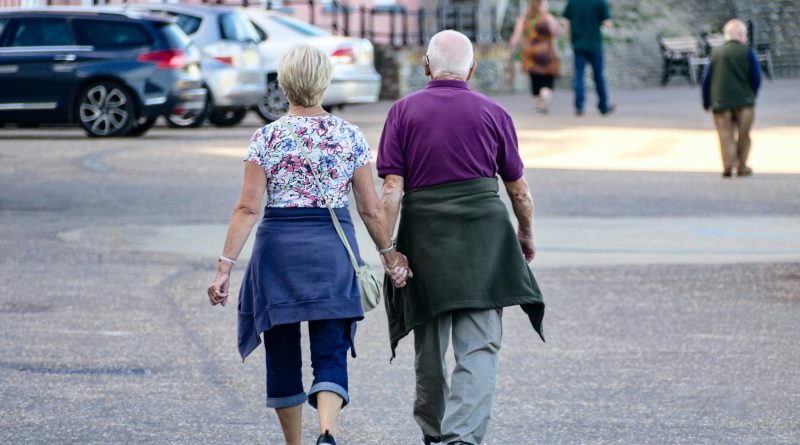
Looking ahead, the data offers a mix of realism and hope. A person who reaches 65 today can expect to live nearly two more decades on average. And for a 60-year-old man, there’s now a meaningful chance about 42% of living to age 90.
Perhaps Americans are living longer again. But the bigger question hasn’t changed. Who gets to live those extra years and under what conditions?
Because life expectancy isn’t just about numbers. It’s about longevity, quality of life, and the opportunities people have to stay healthy in the first place. And while the recovery is real, so are the gaps that still need attention.